Scroll to content Scroll to footer

Materials &
Products.

Materials & Products.

This is what our basics consist of in 2024 vs. 2025.

Material

2024

2025

Plant-based (Plant Based)

78.97%

78.07%

Organic* cotton

78.79%

78.10%

Conventional cotton

0.18%

0.00%

Cellulose-based (Cellulose Based)

0.33%

1.68%

Viscose / Rayon / Modal / Tencel

0.33%

1.10%

Bamboo viscose

-

0.50%

Synthetik (Synthetic)

20.54%

20.14%

Polyester

1.35%

1.40%

Recycled polyester

9.12%

8.10%

Polyamide

4.48%

4.80%

Recycled polyamide

0.74%

1.20%

Elastane

4.63%

4.40%

Acrylic

0.21%

0.20%

Animal-Based

0.16%

0.11%

Merino wool / sheep's wool

0.16%

0.10%

Total

100.00%

100.00%

*organic: from organic farming, without chemical-synthetic pesticides and fertilizers 

We think our materials are something to be proud of - even though we know we're not perfect yet. Our products are made mostly from organic* cotton, followed by recycled polyester. But there is still room for improvement. 


We are currently reviewing alternative materials and market developments, particularly for our nylon and elastane lace. Stay tuned. Our current range contains only a few products with components of animal origin - they account for less than 1% of the materials we use. Since 2024, we have had a strict No Leather Policy. Since 2025, we have also been certified according to the Responsible Wool Standard (RWS). New styles containing wool have been sourced with RWS-certified wool ever since. These efforts are part of our Animal-Derived Materials Policy.

Learn more

This is what our basics consist of in 2024 vs. 2025.

*organic: from organic farming, without chemical-synthetic pesticides and fertilizers

We think our materials are something to be proud of - even though we know we're not perfect yet. Most of our products are made from organic* cotton, followed by recycled polyester. 


But there's still room for improvement.  We are currently reviewing alternative materials and market developments, especially for our lace made from nylon and elastane. Stay tuned. Our current range contains only a few products with components of animal origin - they account for less than 1% of the materials we use. Since 2024, we have had a strict No Leather Policy. Since 2025, we have also been certified according to the Responsible Wool Standard (RWS). Since then, new styles containing wool have been sourced with RWS-certified wool. These efforts are part of our Animal-Derived Materials Policy.

Learn more

Cotton challenge.

In 2025, 100% of the cotton we used came from organic cultivation. Organically grown cotton is cultivated without synthetic pesticides, synthetic fertilizers, or genetically modified seeds. The cotton used is certified according to GOTS (Global Organic Textile Standard) or OCS (Organic Content Standard). These standards include requirements for tracing materials throughout the certified supply chain. GOTS also includes requirements for the use of chemicals, environmental criteria during processing, and minimum social standards. 


However, absolute transparency is a major challenge, particularly when it comes to cotton. Many small farmers, intermediaries, and processors are involved. Cotton from different sources is often mixed before being processed into yarn. This makes it difficult for us to trace the origin of every individual fiber. We are delving deeper into this area to gain insight into these smaller stages along our supply chain as well.

Cotton challenge.

In 2025, 100% of the cotton we used came from organic farming. Organically grown cotton is cultivated without synthetic pesticides, synthetic fertilizers, or genetically modified seeds. The cotton used is certified according to GOTS (Global Organic Textile Standard) or OCS (Organic Content Standard). These standards include requirements for tracing materials throughout the certified supply chain. In addition, GOTS includes requirements for the use of chemicals, environmental criteria in processing, and minimum social standards. 

But when it comes to cotton in particular, complete transparency is a major challenge. Many small farmers, intermediaries, and processors are involved here. Cotton from different sources is often blended before it is processed into yarn. This makes it difficult for us to trace the origin of every single fiber. We are working to delve even deeper into this area so that we can also identify these smaller stages along our supply chain.

Cotton challenge.

In 2025, 100% of the cotton we used came from organic farming. Organically grown cotton is cultivated without synthetic pesticides, synthetic fertilizers, or genetically modified seeds. The cotton used is certified according to GOTS (Global Organic Textile Standard) or OCS (Organic Content Standard). These standards include requirements for tracing materials throughout the certified supply chain. In addition, GOTS includes requirements for the use of chemicals, environmental criteria in processing, and minimum social standards. 

But when it comes to cotton in particular, complete transparency is a major challenge. Many small farmers, intermediaries, and processors are involved here. Cotton from different sources is often blended before it is processed into yarn. This makes it difficult for us to trace the origin of every single fiber. We are working to delve even deeper into this area so that we can also identify these smaller stages along our supply chain.

Our certifications.

An important part of our sustainability strategy? Quality and certification - the two go hand in hand for us. We offer products with these certifications: OEKO-TEX® STANDARD 100, GOTS, OCS, GRS and RWS.


Depending on the certification, these standards set different requirements: ecological, social or material-related. You can find out how each product is certified on the respective product page.


And that’s not all: Since November 2024, our company has also met the requirements of the Green Button 2.0. The Green Button is a government-initiated seal that sets requirements for companies and products and, among other things, checks whether companies assume responsibility for human rights and environmental standards in their textile supply chains. You can find more information about the Green Button here.

Our product packaging.

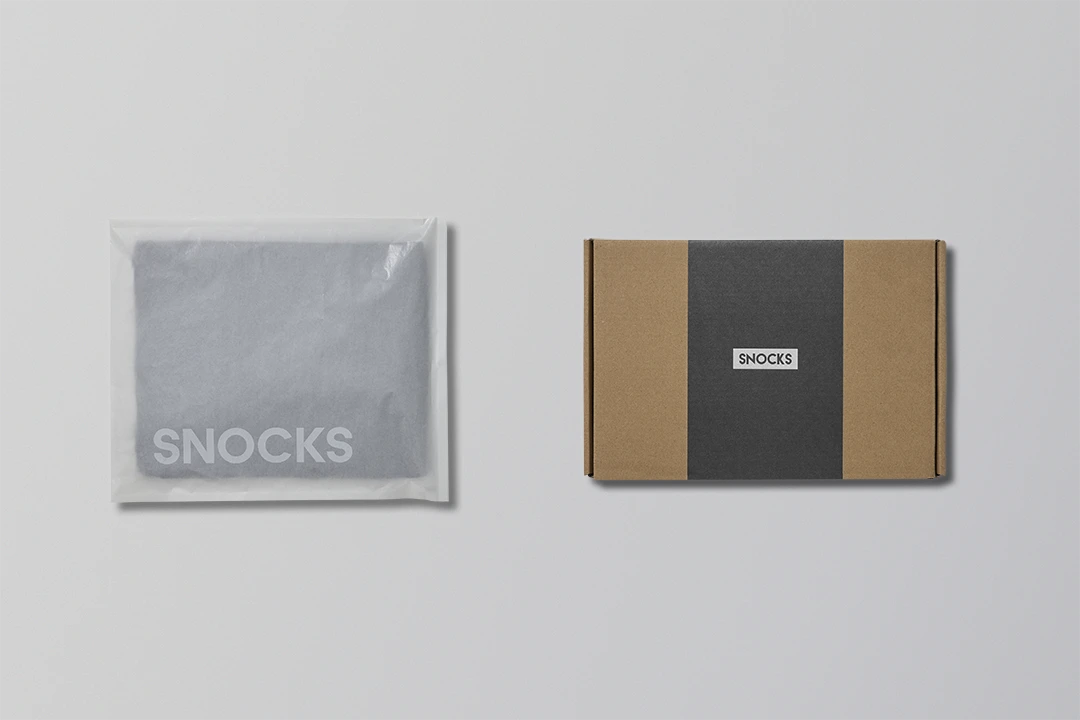
We package our products in glassine bags made from FSC® Mix certified paper. This packaging is lighter than our previous boxes and is now part of our standard.

Our shipping packaging.

Our shipping packaging is made of FSC® Mix-certified paper.

And now, you.

We can’t all change the world, but we can change our everyday habits. For example, when doing laundry.

Wash at a maximum of 40 degrees.

At 30 or 40 degrees, textiles are generally just as clean as they are at higher temperatures. Lower washing temperatures use less energy than hot washing—gentler on your clothes and your energy consumption at the same time. For heavier soiling, you can soak the textiles beforehand or use a hygiene rinse.

Separate textiles by color.

White textiles are washed separately from other colors. The same applies to black garments. Colored textiles, on the other hand, can be washed together—with one exception: red! This helps ensure that your textiles retain their original color even after multiple washes.

Use a laundry bag.

A small laundry bag protects against friction and unsightly little balls. This effect is also known as pilling. It can help the products’ smooth surface last longer. Special laundry bags such as the GuppyFriend bag can also trap some of the microfibers released during washing, which you then dispose of in the residual waste.

Avoid tumble drying.

To be on the safe side, the best option for all products is to avoid using the dryer. This helps preserve the quality of your textiles even after many wash cycles. Products can always shrink slightly in the dryer.

Avoid fabric softener and bleach.

These products harm not only the environment but also most textiles. That’s why you should avoid such harsh cleaning products. Your clothes and the environment will thank you for it!

Wash new products before wearing.

Once again, this is primarily about your health. Some people are allergic to the substances used during the manufacturing process or that the product has come into contact with.

Basics for everyone.

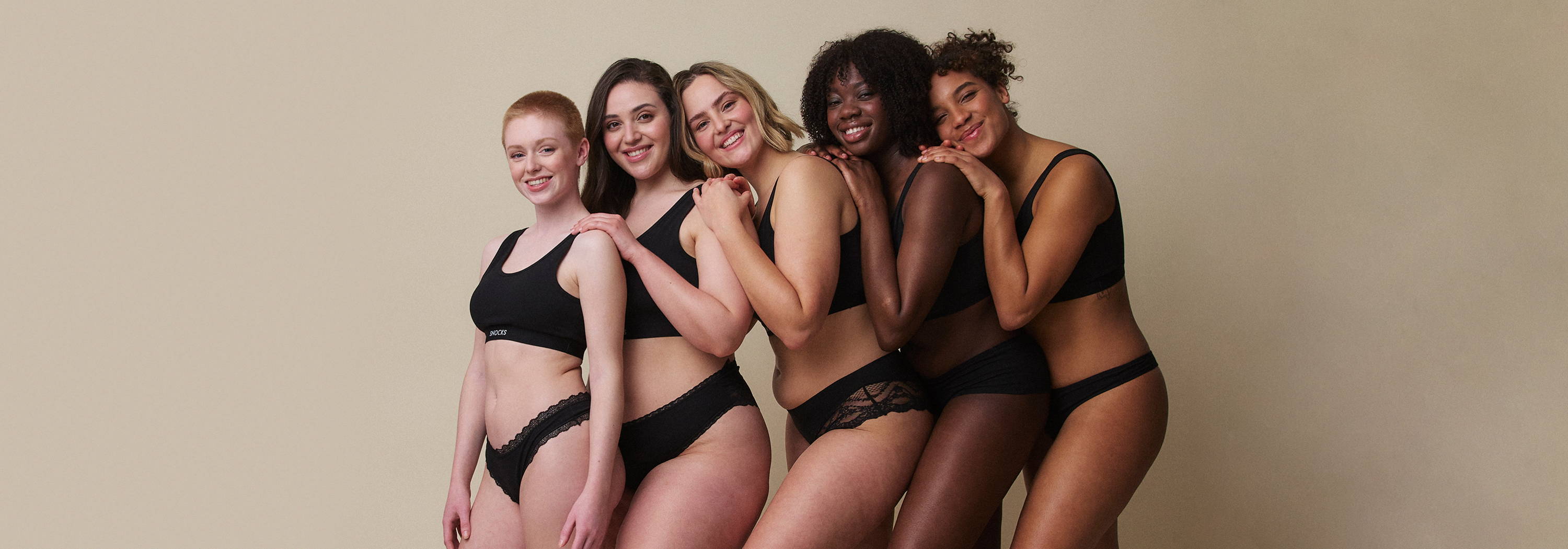
It is important to us that everyone - regardless of background, appearance, or orientation - feels comfortable in our basics. We incorporate different perspectives and needs into our product development. That is why we are working to expand our size range wherever feasible for us. Inclusion and diversity are not just buzzwords to us, but values that guide us.