
Scroll to content Scroll to footer
Alt image Alt image Alt image

Sustainability.

Alt image Alt image Alt image

Sustainability.

Our understanding of sustainability.

Sustainability is not a checkbox on a to-do list that you can tick off and then relax. Rather, it is a journey that continually presents new challenges. We want to take you along on this journey, share successes with you, but also clearly show the tasks we still face. Transparency is our focus. Because we believe that honesty and trust are the most important foundation for conscious purchasing decisions. Here are a few points we are proud of:

  • No overproduction: Our products are timeless and therefore do not end up in the trash after the season.

  • Social Sustainability: We ensure fair working conditions and only collaborate with certified factories.

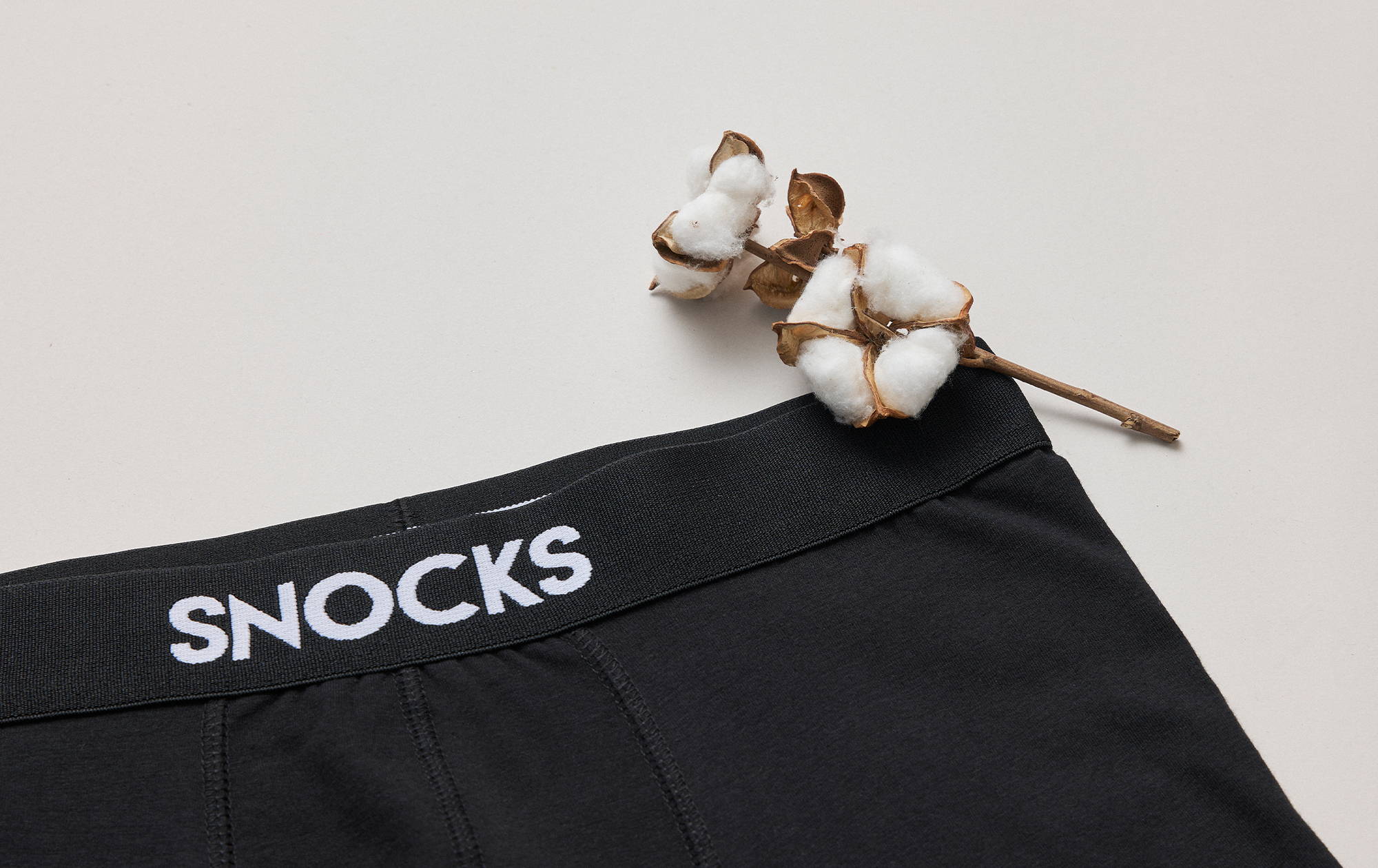
  • Eco-friendly materials: We use organic cotton or recycled polyester in most products.

  • Offene Kommunikation: Wir haben uns für absolute Transparenz entschieden und kommunizieren offen zum Thema Nachhaltigkeit.

Alt image Alt image Alt image

The production.

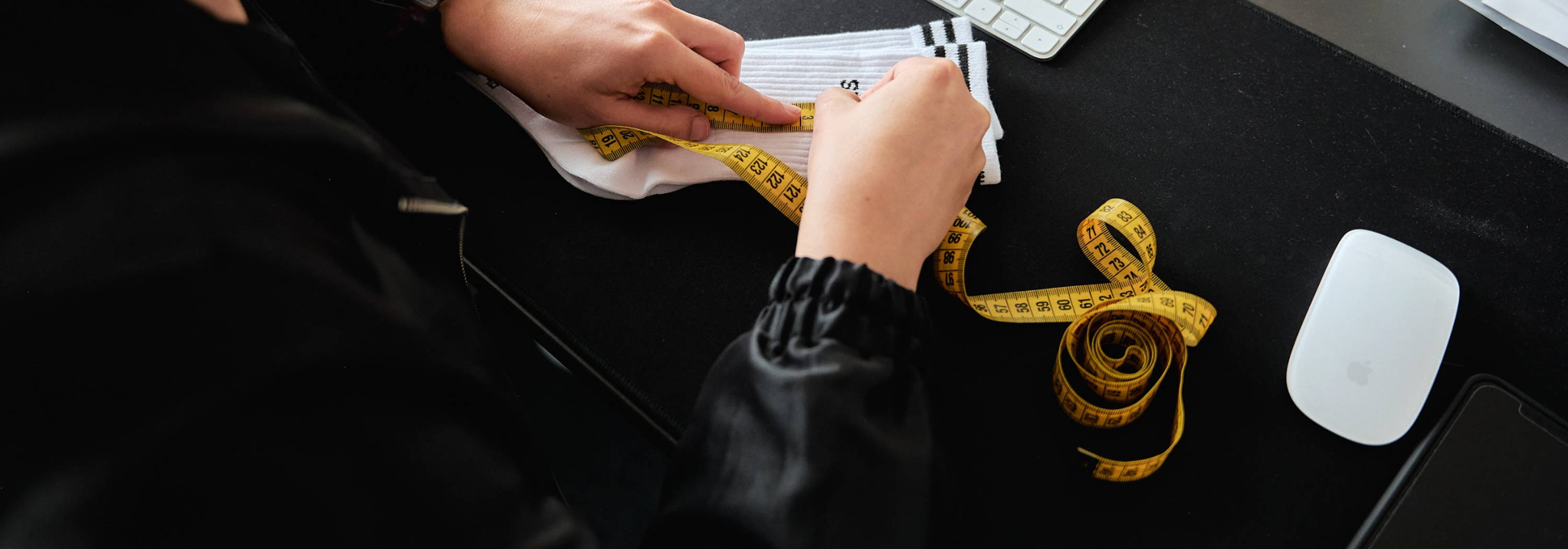
From the idea to the sock.

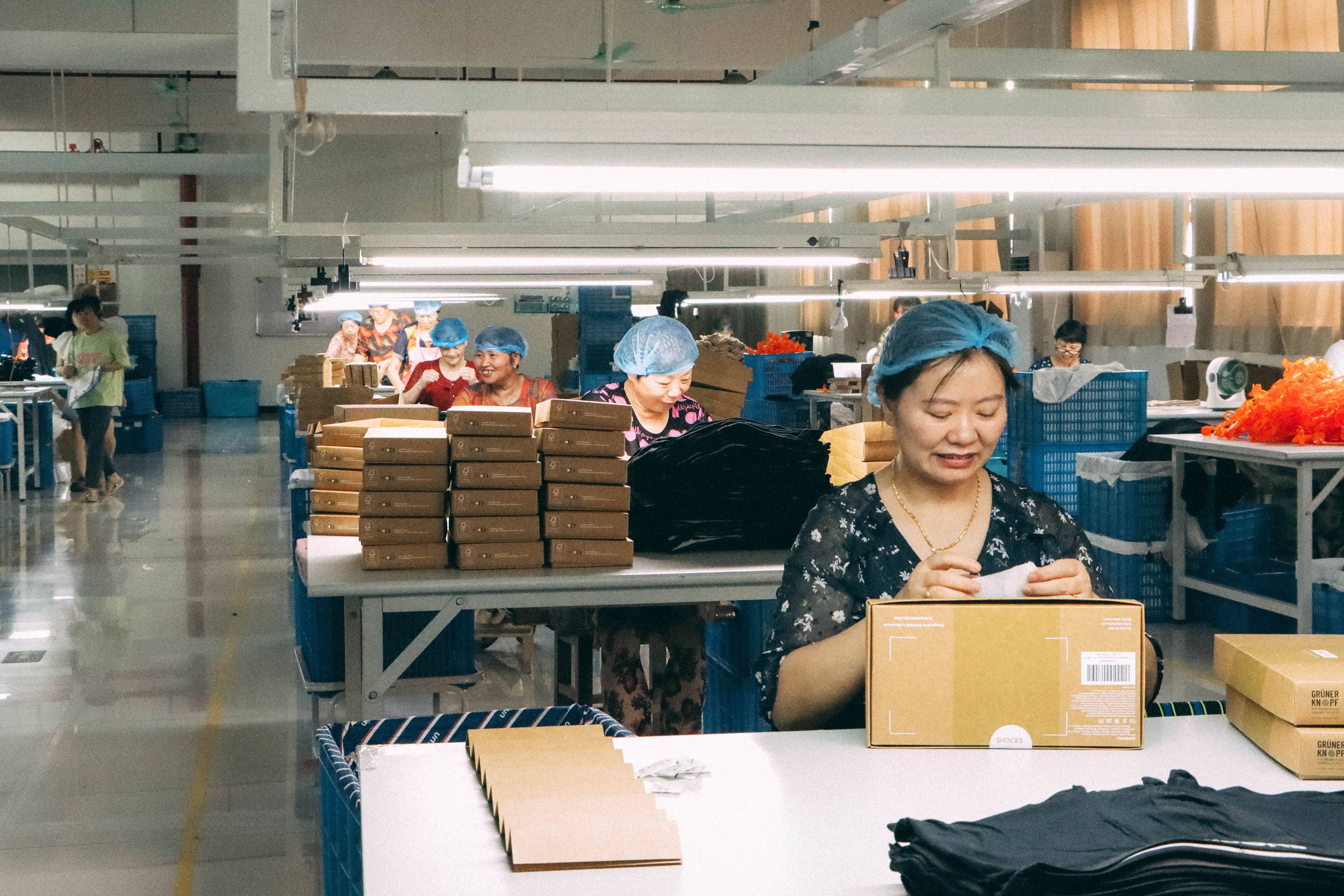
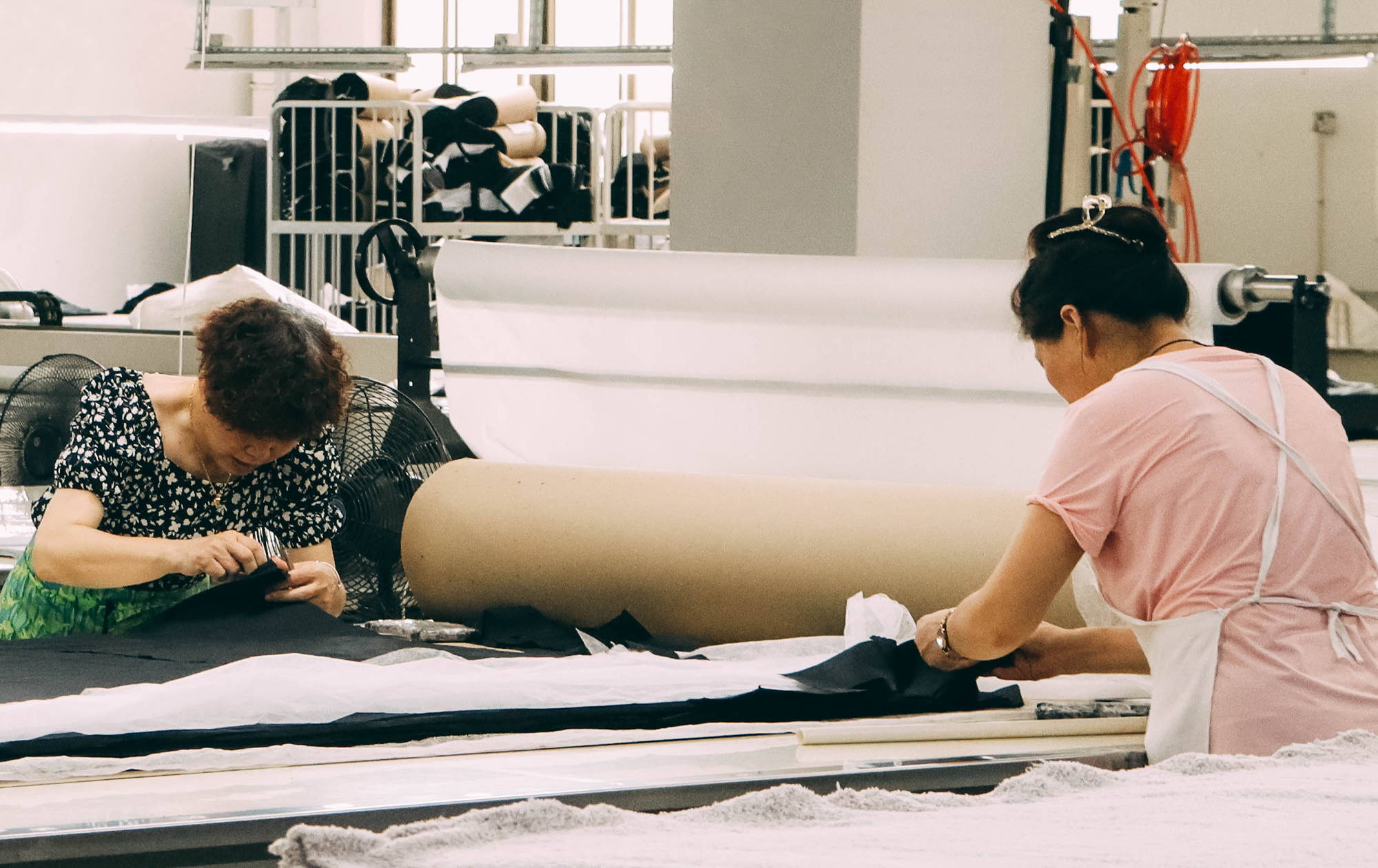
What starts as a design in Mannheim is turned into high-quality everyday basics in our partner factories. We produce in China, Pakistan, Bangladesh, Sri Lanka, Turkey, and Romania. One of the biggest misconceptions about sustainability: production in Asia is always bad, production in Europe is always good. It's not that simple. Our production outside of Germany primarily allows us to offer affordable prices to make basics for everyone. But this can also be done fairly. Through long-standing relationships with factories and intermediary agencies, we have built a responsible supply chain. Sustainability is a holistic approach that goes beyond the place of production and also includes the entire supply chain.

The direct line.

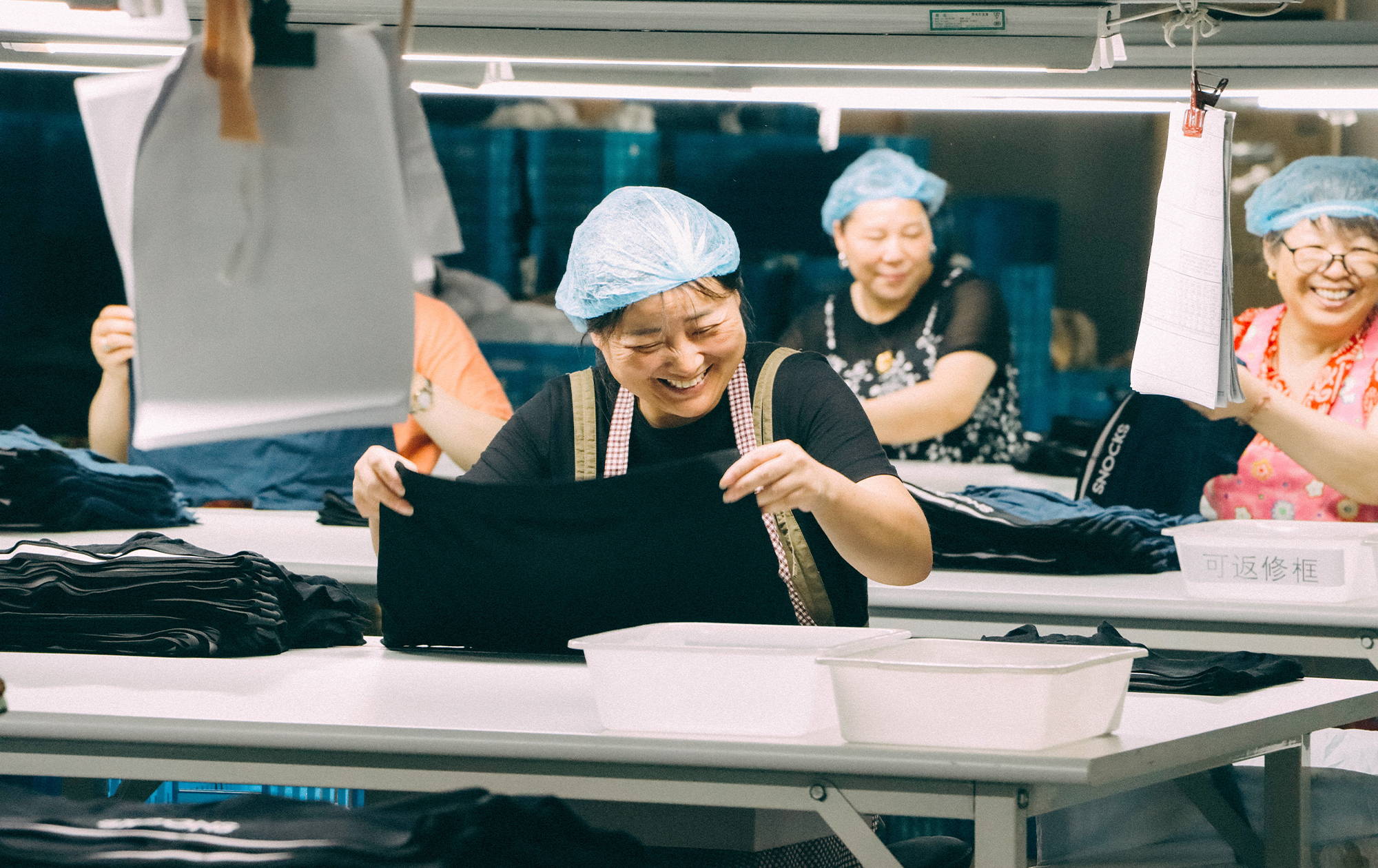
We are committed to fair working conditions and dignified wages in our production facilities and currently maintain close and intensive collaboration with two specialized agencies and importers. We work closely with these production partners to ensure that social and environmental standards are met.

We only cooperate with factories audited by organizations such as amfori BSCI or similar institutions. Additionally, we rely on certifications like GOTS, GRS, and OCS, which enforce not only environmental but also strict social standards.

Our Code of Conduct

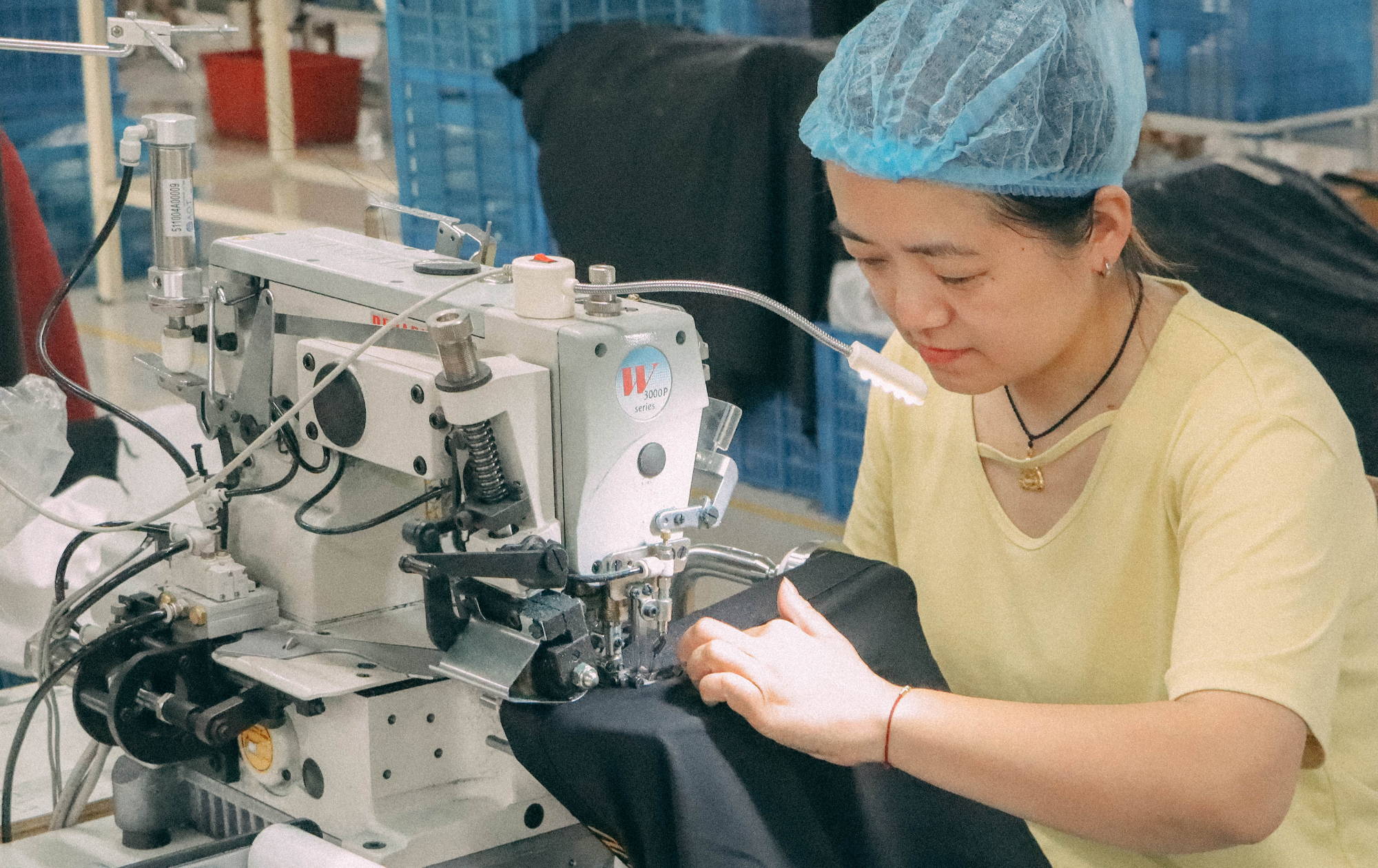
We sew the basics.

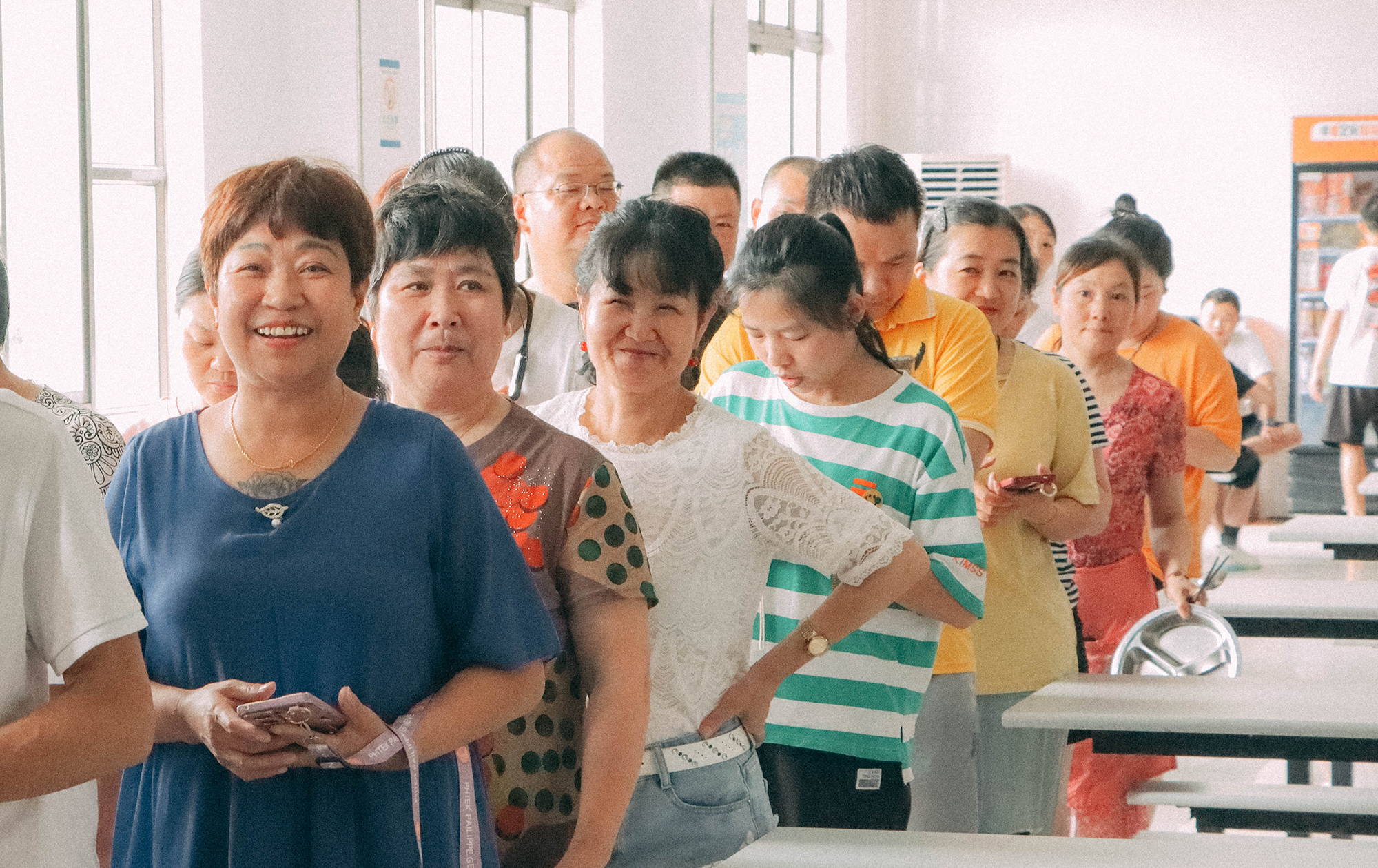
Our factories are far away, but the people who work there are still close to us. 

Member of the Alliance for Sustainable Textiles.

Together for more sustainability.

SNOCKS is part of the Alliance for Sustainable Textiles, and we are truly proud of that. Together with the other alliance members, we have set the goal of improving social and ecological standards in the textile industry. Here’s what that looks like in practice: we align ourselves with international standards for human and labor rights, environmental protection, and anti-corruption. Our commitment to the alliance includes regular reviews and reports to ensure that we continuously make progress and minimize risks in our value chain. What’s very important to us: everything we do and try, what we succeed in, and where we still fail – we share all of this openly with you.

The Alliance for Sustainable Textiles.

The Alliance for Sustainable Textiles is a multi-stakeholder initiative with around 140 members, including companies, associations, trade unions, civil society, standard organizations, and the federal government. You are in the right place if, as a company, you want to fulfill your ecological and human rights responsibilities throughout the entire supply chain. The alliance offers you a broad network and support. The focus is on the due diligence approach, which is described in the National Action Plan on Business and Human Rights and specified by the OECD for the textile sector.

Learn more

SNOCKS collaborates with Fair Wear.

Since 2025, SNOCKS has been collaborating with Fair Wear – a non-profit organization that advocates worldwide for safe, fair, and dignified working conditions in the textile industry. For us, this means taking responsibility in our supply chain. And not just when an audit is around the corner.

What does that mean specifically?

Getting better together:

We work closely with our factories to identify risks such as long working hours, low wages, or lack of workplace safety early on – and to improve them step by step.

Long-term partnerships:

We focus on stable relationships, regularly visit our production sites, and jointly develop concrete improvement plans

Open Reporting:

Starting in 2026, we will publish annually and transparently what is going well – and what is not. The results will then be publicly available on our Fair Wear brand page. The first Brand Performance Check will be released in 2026.

Taking responsibility:

When problems arise, we don’t look away. Fair Wear helps us find solutions that truly make a difference for workers.

Why Fair Wear?

Fair Wear brings brands, factories, and other stakeholders together to create structural change in a system that is often very complex. Our shared goal: better working conditions for the people who make our products.

And very importantly: No garment is “100% fair.” But we can—and want to—improve a little every day. That’s exactly why we are part of Fair Wear. As a manufacturing company, we always leave traces. And where people work together, things don’t always go perfectly. What matters to us is: to look closely, take responsibility, and find solutions together—instead of pretending there are no challenges.

Learn more

Alt image Alt image Alt image

Our materials.

This is what the basics consist of.

We believe our materials are truly impressive. Most of our products are made from organic cotton, followed by recycled polyester. However, there is still room for improvement. We are actively seeking more sustainable alternatives, especially for our nylon and elastane lace. Stay tuned. Currently, our range includes only four products containing animal-derived components. Wool is the only animal material used and accounts for less than 1% of the materials we use. Since 2024, we have had a strict No Leather Policy and plan to focus on RWS-certified or recycled wool to further prioritize animal welfare. These efforts are part of our new Animal-Derived Materials Policy.

Learn more

Challenge cotton.

We are proud that 99% of our cotton comes from organic farming. And thanks to the GOTS certification, we can ensure that high ecological and social standards are maintained throughout our entire supply chain.   But especially when it comes to cotton, complete transparency is a major challenge. Many small farmers, intermediaries, and processors are involved.   Often, cotton from various sources is mixed before being processed into yarn. This makes it difficult for us to trace the origin of every fiber. We are working to delve even deeper here to fully understand these small stages along our supply chain.

Our packaging.

Our goal? To reduce the ecological footprint of our packaging. We hope we have achieved this with our new packaging. We are working on providing you with numbers and facts.

Product packaging.

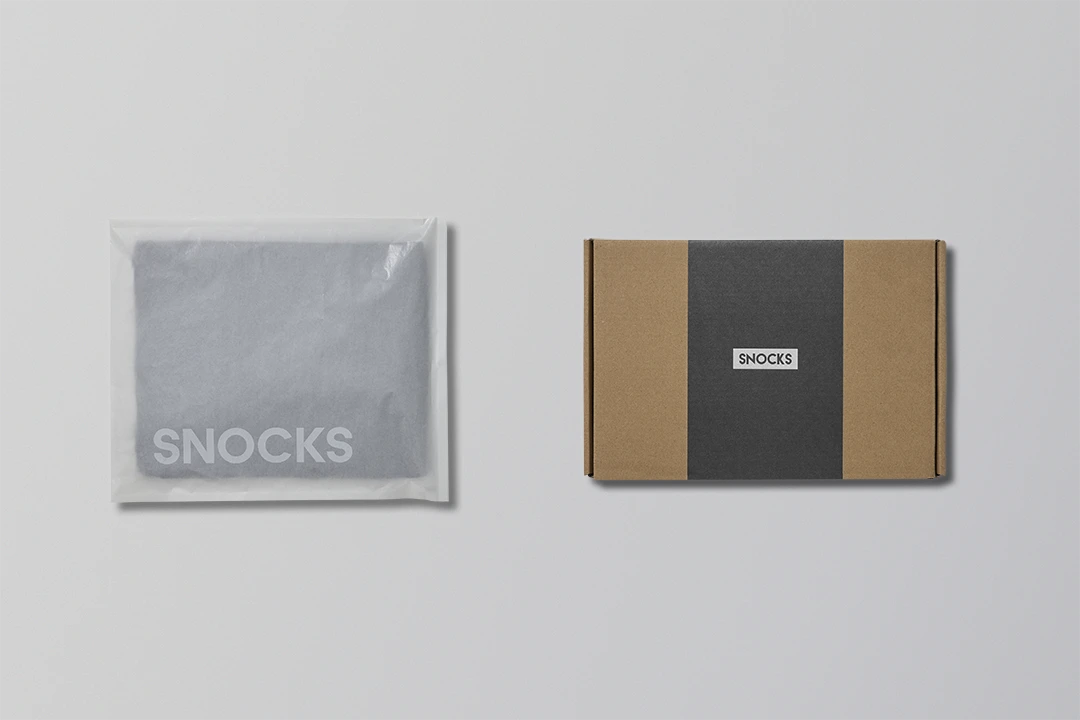
These elegant glassine bags are replacing our boxes as the new packaging. They are made from FSC®️ Mix certified paper and are lighter than the previous packaging. Until we have fully transitioned, you may still receive paper boxes or recycled plastic bags.

Shipping packaging.

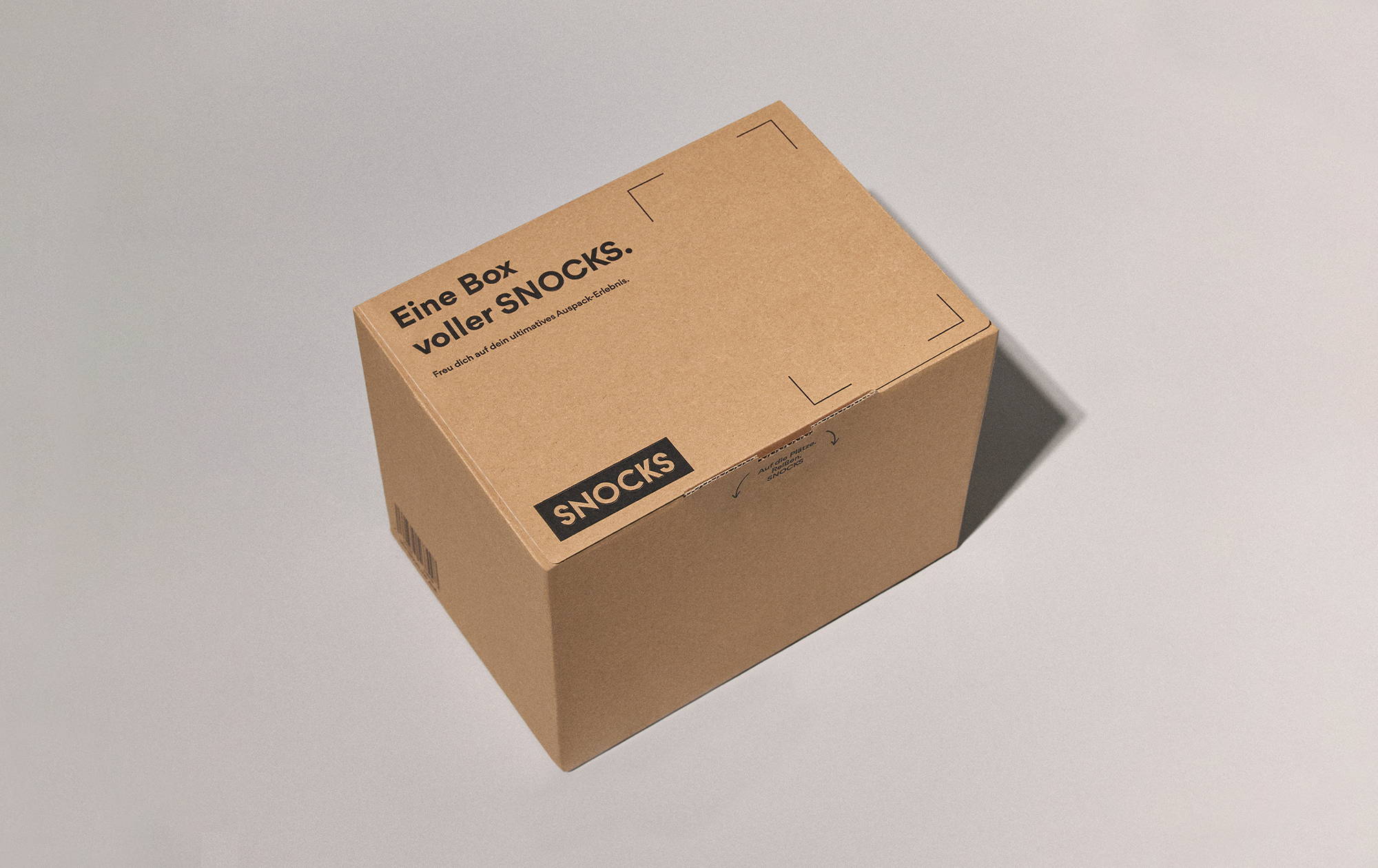
Our shipping materials are made from 100% paper, and we completely avoid unnecessary tape. This means for you: completely plastic-free.

Our certifications.

An important part of our sustainability strategy? The quality and certification of our products! Most of our products are certified according to the OEKO-TEX® STANDARD 100. The majority of our products also carry the seals of GOTS, OCS, or GRS. 

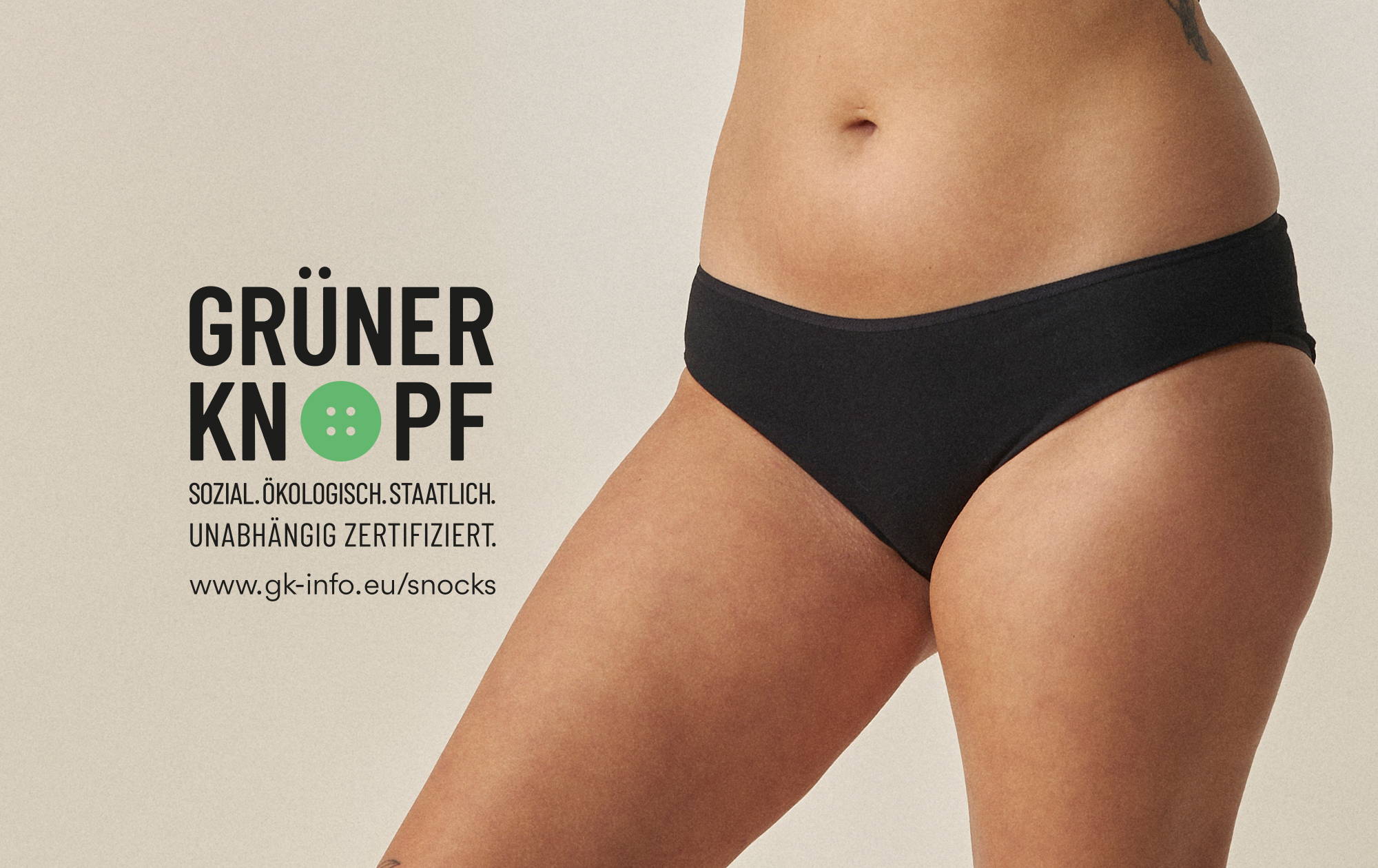
This shows that we care about both the environment and fair conditions throughout the entire supply chain. And that’s not all: Since November 2024, our company has also met the requirements of the Green Button 2.0. A government seal for responsibly produced textiles. It verifies whether we, as a company, take responsibility for upholding human rights and environmental standards in our textile supply chains. You can find more information about the Green Button here.

Alt image Alt image Alt image

Our footprint.

Concrete numbers.

We produce basics, and in doing so, we leave traces – in the office, during production, and in transport. These traces cannot be completely avoided, but they can be reduced. Here, we show you where we are already doing well and where we still need to improve.

  • What we have done so far

  • We still need to work on this

100% green electricity in our two offices

Climate-friendly shipping with DHL GoGreen

Transport: 97% ship, 2% truck, 1% airplane

CO2 Calculation: Companies and Products

We set CO2 emission reduction targets

Internal travel guideline: Train first

No return program: Recycling, Second Hand

No electric car yet in the retail department

We cause CO2 emissions

The carbon footprint of our boxer shorts.

If you want to improve, you first need to know where you stand. The company ConClimate helped us determine both our Corporate Carbon Footprint (CCF) and the CO2 footprint per product (PCF) for the year 2022. 

2022: 21,533.94 tons of CO2e (including 10% safety margin) 
Scope 1: 0 tons of CO2e (CO2e = summary of various greenhouse gases) 
Scope 2: 32.80 tons of CO2e 
Scope 3: 19,543.50 tons of CO2e

Based on these calculations, we can take the next steps. We have now set ourselves the goal not to offset our CO2 emissions, but to reduce them.

What is Scope 1-3?

The CO2 balance according to the GHG (Greenhouse Gas) Protocol divides a company's emissions into three categories (Scope 1-3):


Scope 1:

Direct emissions from sources that a company owns or controls, such as exhaust from company-owned vehicles or emissions from company-owned factories.

Scope 2:

Indirect emissions resulting from the generation of purchased electricity, heat, or cooling that the company uses for its operations.

Scope 3:

All other indirect emissions that occur along the entire value chain of the company, including emissions from the production of products by suppliers and from employees commuting to work. 

Why reduction instead of compensation?

Simply put: compensation is good, but avoidance is better. By reducing our emissions directly at the source, we get closer to the core of the problem and create long-term solutions.

What are our reduction targets?

As a rather small company, we are setting the bar very high. Because we have set reduction targets in line with the Science Based Targets (SBT). If you’re wondering what that is: SBT are scientifically based goals to reduce greenhouse gas emissions in a way that keeps global warming well below 2°C. 
 

What this exactly means for us: 

  • Reduction of emissions in Scope 1 and 2 by 42% by 2030.
  • Active reduction of Scope 3 emissions.
  • Long-term goal: Net-zero by 2045, with a 90% reduction across all three areas.

Our first steps towards this:

  • Switch to electric vehicles.
  • Use of renewable district heating.
  • Motivation and support for our partners in the supply chain to switch to renewable energy.


Learn more about it here.

Alt image Alt image Alt image

tip me & SNOCKS.

Together for more appreciation and fairness.
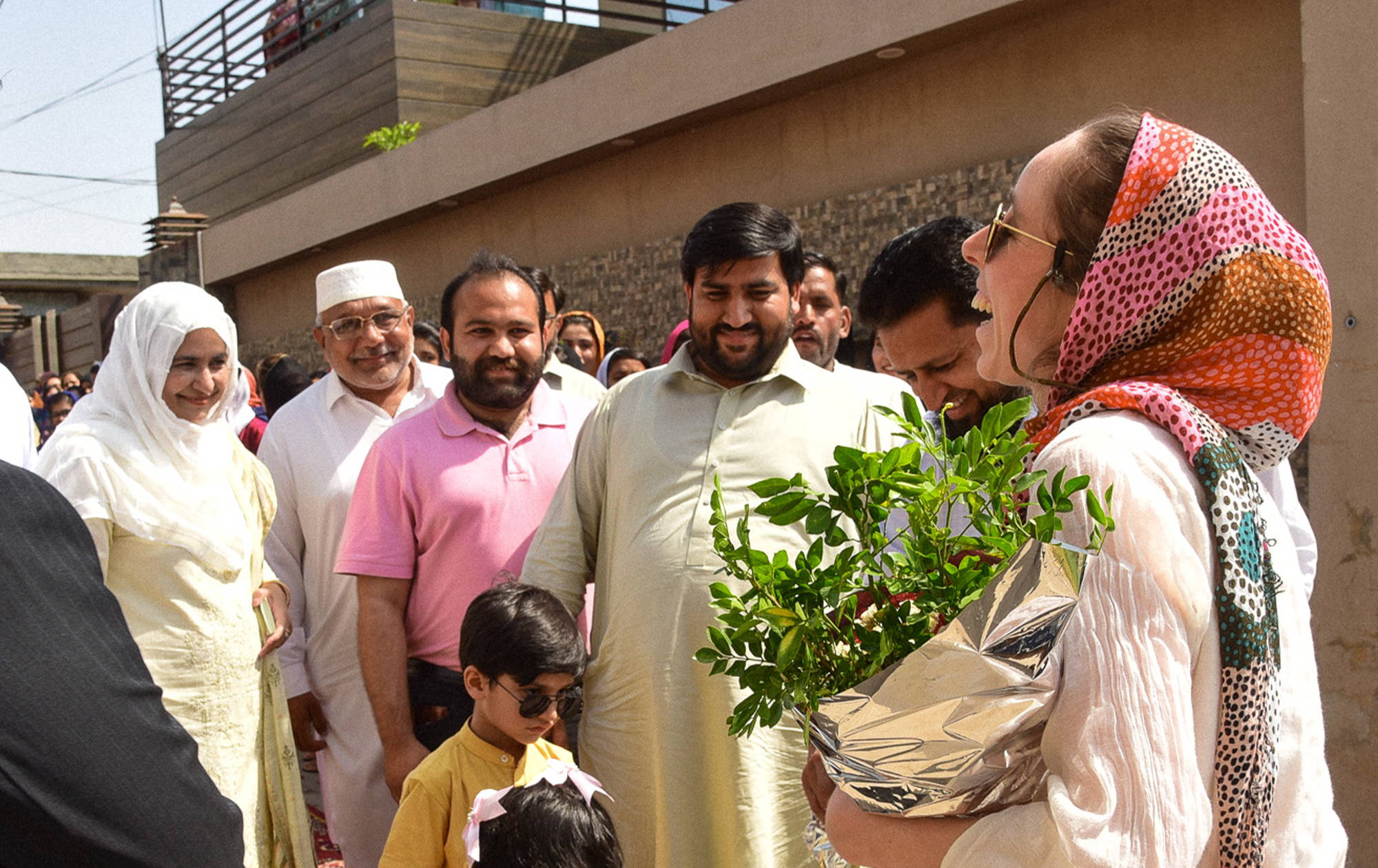
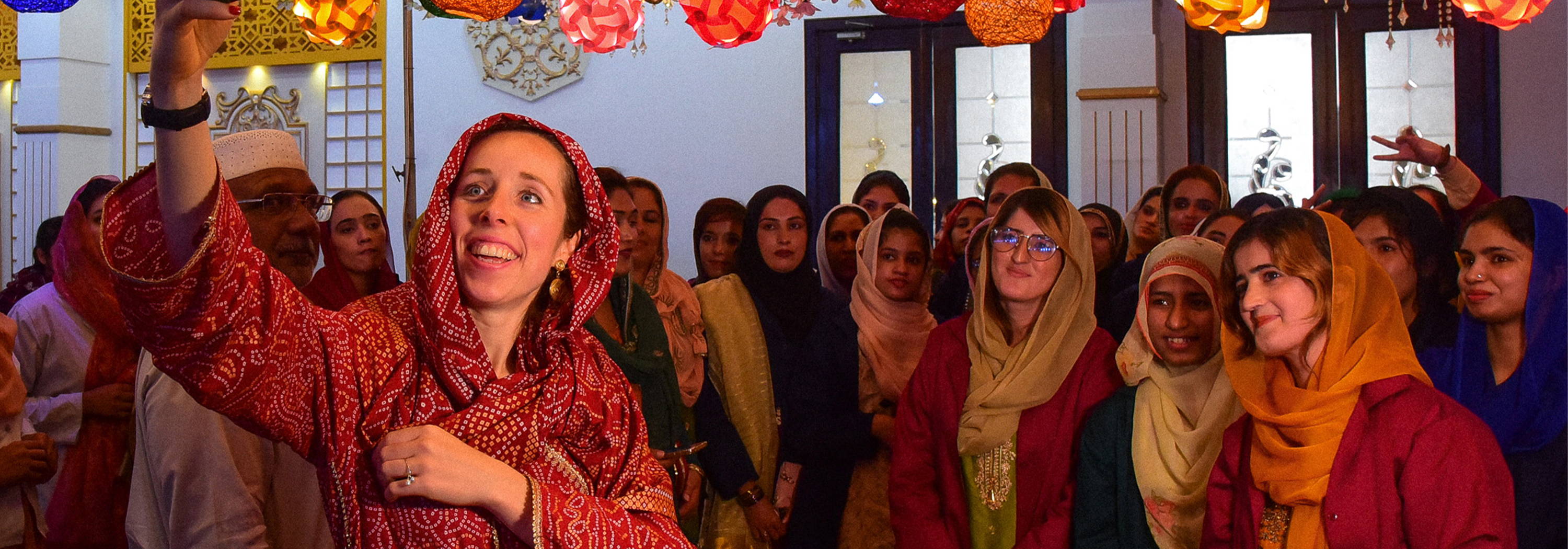
tip me is explained very simply: You give tips to our seamstresses and we double them. You can do this after your order at SNOCKS or now directly via the button. Helen, managing director of tip me, traveled to Pakistan in May 2023 and not only handed over the first round of tips (€2392) but also celebrated with the employees on Appreciation Day. tip me is direct and transparent: 100% of the tips go to our seamstresses in Pakistan. No frills, no middlemen.

Alt image Alt image Alt image

Basics for everyone.

Sustainability requires different perspectives.
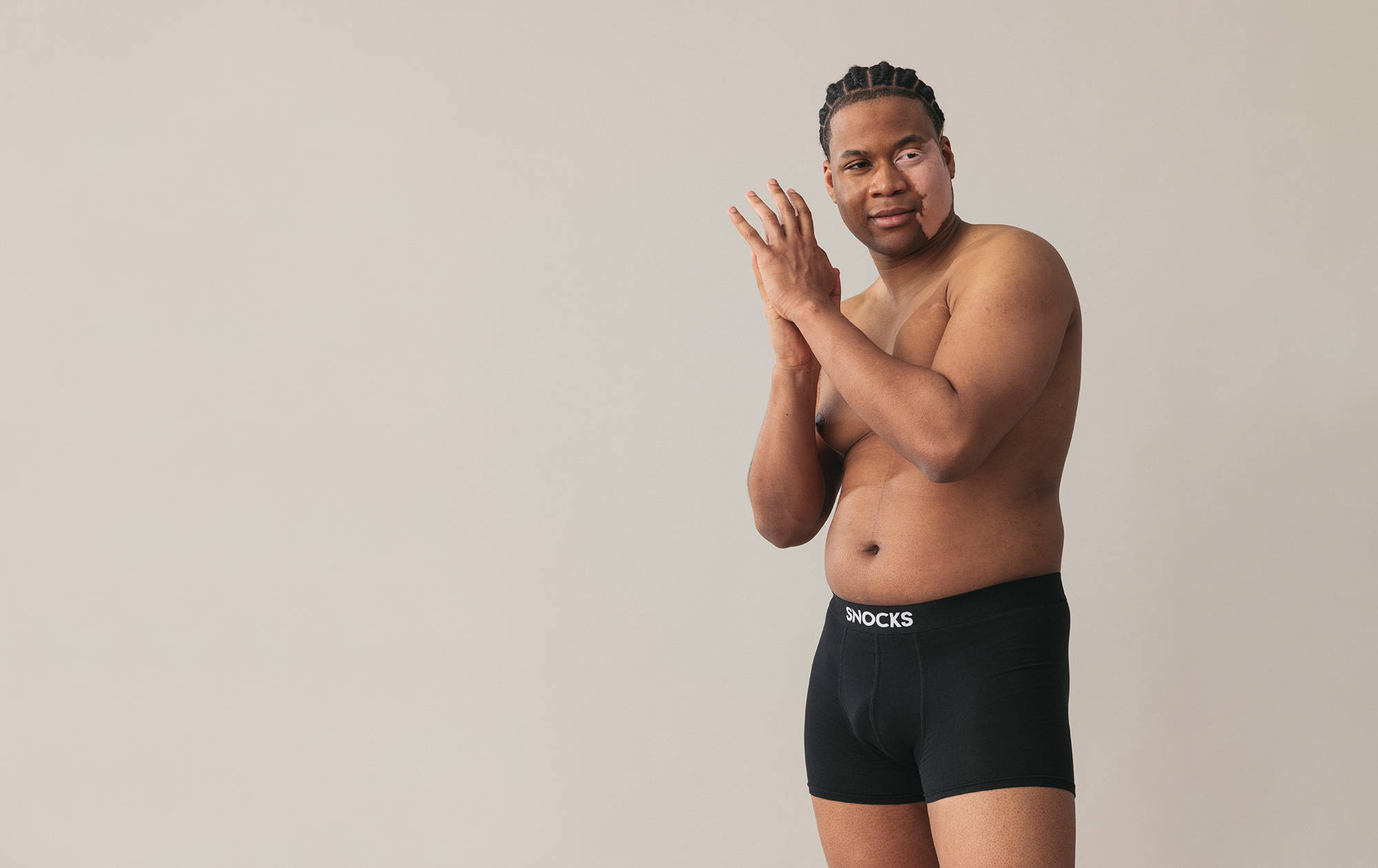
It is important to us to create basics for all people – regardless of their background or appearance. Including everyone not only promotes social justice but often leads to more sustainable decisions by considering diverse perspectives. Our customers should feel seen, valued, and simply comfortable in our products. Therefore, we are constantly working to adjust and expand our size range to ensure that everyone can find the right product for themselves. Inclusion and diversity are not just buzzwords for us but core values that guide our actions.

And now you. 

We can't all change the world, but we can change habits in our daily lives. For example, when washing.

Wash at a maximum of 40 degrees.

At 30 or 40 degrees, textiles get just as clean as at higher temperatures. Plus, you save energy by using lower temperatures. A wash cycle at 30 degrees produces 0.6kg of CO2, while at 60 degrees it’s almost six times as much! For heavy soiling, you can soak the textiles beforehand or use a hygiene detergent.

Separate textiles by color.

White textiles are washed separately from other colors. The same applies to black clothing. However, you can wash colorful textiles together—with one exception: red! This ensures that your textiles retain their original color even after multiple washes.

Use laundry bags.

A small laundry bag protects against friction and unsightly little pills. This effect is also known as pilling. The smooth surface of the products can thus be preserved. A good and sustainable solution against microplastic pollution are washing bags that can capture microplastics.

Avoid dryers.

To be on the safe side, the rule for all products is: it's best to avoid using the dryer. This helps maintain the quality of your textiles even after many washes. Products can always shrink slightly in the dryer.

Avoid fabric softeners and bleach.

These agents not only harm the environment but also most textiles. Therefore, you should avoid such aggressive cleaning products. Your clothes and the environment will thank you!

Wash new products before wearing.

Once again, this is primarily about your health. Some people have allergic reactions to the substances used in the manufacturing process or that the product has come into contact with.

7 quick questions & answers.

Is SNOCKS sustainable as a company? 

Phew, a simple yes/no question that isn’t so easy to answer. Let’s put it this way: we do our best and make sure to make our everyday SNOCKS life increasingly sustainable.


Examples from our office in Mannheim


- Ecological: 100% green electricity, purchasing environmentally friendly office supplies

- Social: Health management (mental health, yoga), work & life balance (remote work, pets in the office), diversity (accessible workspaces, gender-neutral bathrooms)


Unfortunately, we don’t always succeed:

Summer trip 2022: team flight to Mallorca*


*To offset the greenhouse gas emissions of 50.9t CO2 according to the Gold Standard, we invested in a climate protection project in India.

Are the products from SNOCKS sustainable?

How much we would love to simply answer “Yes” out loud. But unfortunately, it’s not that simple. A sustainable textile industry is too big a challenge for that. But what we can say for sure: we are doing our best. We rely on organic cotton, recycled polyester, and are working to further minimize our environmental impact. Because we also take social responsibility seriously, we closely examine our supply chain and working conditions.

By producing basic clothing that never goes out of style, we can also avoid overproduction of garments. By the way, we use ships for transportation because they are simply more environmentally friendly than airplanes. Only in emergencies (2022: 1%) do we use air freight. 

Are your products made from organic cotton?

We use 99% organic cotton. Yes, okay, that one percent would still be nice, but at the moment we still sell some items that contain conventional cotton. Why we rely on organic cotton: We grow it without harmful chemicals and synthetic pesticides. This not only protects the environment but also the health of the farmers. Organic cotton also promotes sustainable water use and soil health. The Global Organic Textile Standard (GOTS) ensures that these and other ecological and social criteria are met. 

Where does SNOCKS produce the products?

Our products are manufactured in China (82%), Pakistan (17%), and Turkey (1%). Recently, Bangladesh and Sri Lanka have been added, but we cannot provide percentage figures for these countries at this time. To ensure good conditions on site in Germany, we only work with production facilities that are regularly audited by amfori BSCI or comparable social standards from external auditors.

Which is your "most sustainable" product?

Warning, politician's answer: It depends. But it really depends on which aspects you consider when looking at the products, which each offer very different advantages. Our products made from organic cotton and recycled polyester* are definitely among the top, as they help reduce environmental damage. To finally determine which is our most sustainable product, we still lack data on water consumption and durability, among other things. We're working on it.


*To prevent microplastic pollution during washing, we recommend using a GUPPYFRIEND washing bag.

Why don't you produce in Germany?

One of the biggest misconceptions about sustainability: production in Asia is always bad, production in Europe is always good. It's not that simple. Our production outside of Germany primarily allows us to offer affordable prices to make basics accessible to everyone. But this can also be done fairly. It would be blind activism to cancel all orders and completely take away work from the factories through our contracts. International standards guarantee us that everything in our production is done properly. Through long-standing relationships, we have built a responsible supply chain and are committed to fair working conditions and dignified wages in our production facilities. We work closely with our production partners to ensure that social and environmental standards are met. Sustainability is a holistic approach that goes beyond the place of production and also includes the entire supply chain. 

What do you want to do next in terms of sustainability?

Sustainability is a huge challenge, especially in the textile industry. That’s why we believe transparency and honesty are the most important things here. We are currently working on a sustainability report. We actually wanted to publish it in 2023, but we simply didn’t manage to. It will come in 2024, promised. It will give you deep insights and provide us with important findings so we can keep improving. It’s a journey. Will you join us?

Who is responsible for sustainability at SNOCKS?

Hi, I’m Lisa and this is my task. Of course, it’s not just mine, because the entire SNOCKS team stands behind me, and together we are committed to a responsible future. I want to give you one important tip: Every product leaves traces on this planet. Even though we do our best to minimize these traces, ultimately it’s in your hands: Only buy what you really need.


If you have any questions about sustainability, feel free to email me at lisa@snocks.com. 

I look forward to hearing from you.


And to give you an even better understanding of what sustainability means at SNOCKS – watch the video!

Reports & Policies.

Here we have compiled additional documents and information that are related to our sustainability commitment.

Supply Chain Transparency (English, 2025)

Want to learn more? Here you can find out in which countries we produce (Tier 1 and Tier 2).

To the report

Environmental Policy (English, 2026)

Want to learn more? Here you’ll find out which environmental principles guide our decisions — from material selection and climate goals to chemical management and circular economy.

To the report

Strategy for Securing Living Wages (German/English, 2024)

Want to learn more? Here you can find out how we promote living wages in our supply chain.

To the report

Risk Analysis and Action Plan (German/English, 2025)

Want to learn more? Here you will find our update on measures and the current status to further reduce risks in our supply chain – based on our annual risk analysis according to OECD standards.

To the report

Code of Conduct SNOCKS GROUP (German/English, 2026)

Want to learn more? Here you can find out how we promote responsible actions and ensure that human rights and environmental protection are respected at SNOCKS and throughout our entire supply chain – based on internationally recognized standards such as the ILO core labor standards and the UN guiding principles.

To the report

Sourcing Strategy (German/English, 2024)

Want to learn more? Here you can find out how we promote responsible sourcing practices and ensure that social, environmental, and ethical standards are upheld throughout our entire supply chain.

To the report

Human Rights Due Diligence (HRDD) Policy (English, 2026)

Want to learn more? Here you can find out how we implement human rights due diligence in our supply chain – from risk analysis to prevention and monitoring, all the way to grievance mechanisms and remediation. Our approach is based on the UN Guiding Principles on Business and Human Rights, the OECD Guidelines, and the ILO Core Labor Standards.

To the report

Grievance Mechanism Policy (English, 2026)

Want to learn more? Here you can find out how we handle complaints from our supply chain — from recording to investigation to remediation. The policy describes our complaint channels, responsibilities, processing deadlines, and protection against retaliation.

To the report